Urethral obstruction, commonly known as a urinary blockage, is one of the most serious emergencies seen in cats. It occurs when the urethra—the tube that carries urine from the bladder to the outside of the body—becomes blocked, preventing normal urination. This condition is most common in male cats due to their narrower urethra and can become life-threatening if not treated immediately.
Why is Urethral Obstruction Dangerous?
When a cat is unable to pass urine, toxins that are normally eliminated through the urinary system begin to build up in the body. The bladder becomes painfully distended, kidney function can be affected, and dangerous electrolyte imbalances may develop. Without prompt treatment, urethral obstruction can lead to kidney failure, bladder rupture, heart complications, shock, and even death within a matter of days.
Common Causes
Several factors can contribute to urethral obstruction, including:
- Urinary crystals or stones
- Mucus plugs
- Inflammation and swelling of the urinary tract
- Bladder stones
- Feline lower urinary tract disease (FLUTD)
Signs Every Cat Owner Should Know
Early recognition is critical. Contact your veterinarian immediately if you notice:
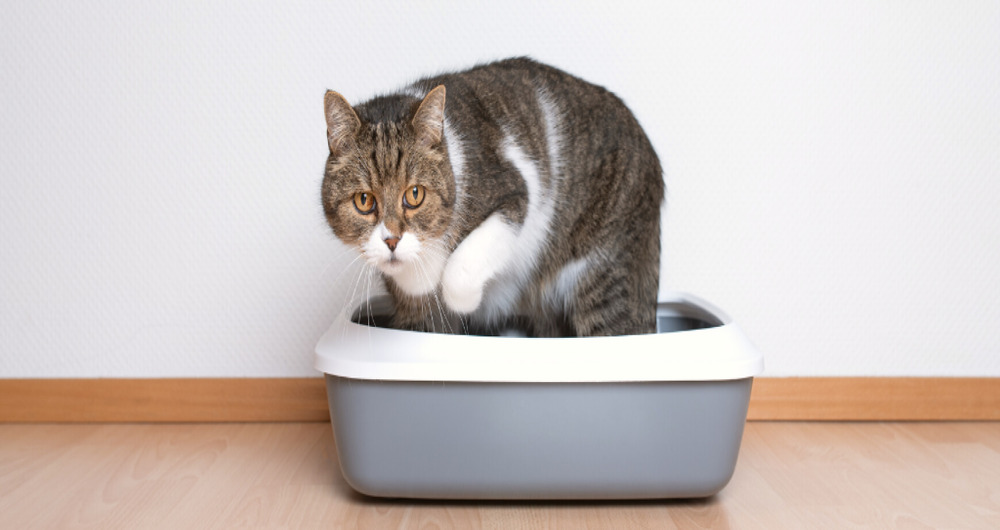
- Frequent visits to the litter box
- Straining to urinate
- Passing little or no urine
- Crying or vocalizing while urinating
- Blood in the urine
- Excessive licking of the genital area
- Restlessness or hiding
- Loss of appetite
- Vomiting
- Lethargy or weakness
Many pet owners mistake these signs for constipation, which can delay treatment. Any cat struggling to urinate should be considered a medical emergency.
Diagnosis and Treatment
Veterinarians diagnose urethral obstruction through a physical examination, blood tests, urinalysis, ultrasound, or X-rays when necessary. Treatment focuses on stabilizing the cat, relieving the blockage, and addressing the underlying cause.
Treatment may include:
- Intravenous fluid therapy
- Pain management
- Urinary catheterization to remove the blockage
- Hospitalization and monitoring
- Prescription urinary diets
- Medications to reduce inflammation and discomfort
In recurrent or severe cases, surgery may be recommended.
Prevention Tips
While not all cases can be prevented, the risk can be reduced by:
- Encouraging adequate water intake
- Feeding a balanced diet recommended by your veterinarian
- Maintaining a healthy body weight
- Reducing environmental stress
- Keeping litter boxes clean
- Scheduling regular veterinary check-ups
Urethral obstruction is a true veterinary emergency that requires immediate attention. If your cat is straining to urinate or unable to pass urine, do not wait. Early diagnosis and treatment can make the difference between life and death.
At Seven Oaks Pet Hospital, our experienced veterinary team is equipped to provide advanced diagnostics, emergency care, and specialized treatment for feline urinary emergencies, helping your cat get the urgent care they need when every minute counts.