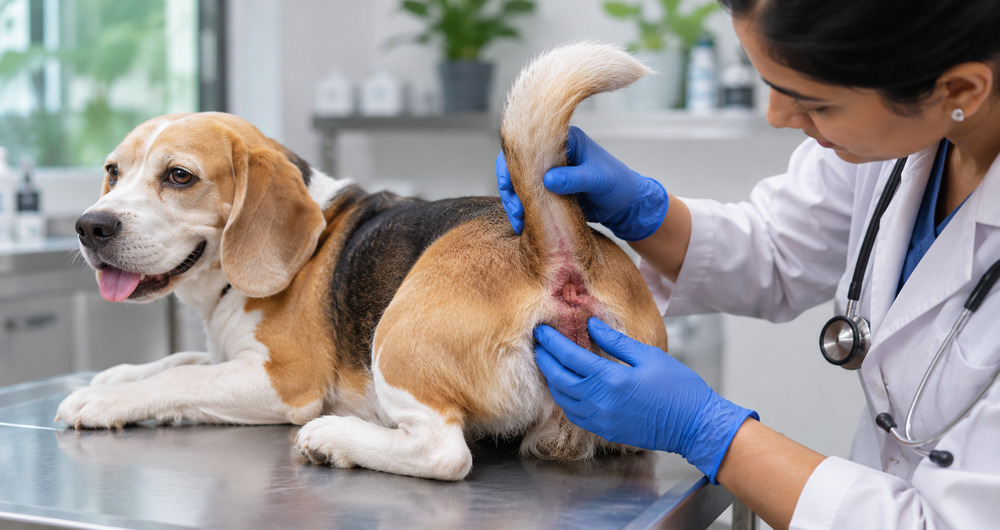
Have you noticed your dog constantly licking its rear end, struggling to pass stools or showing discomfort while sitting? These could be signs of perianal fistula, a painful condition affecting the tissues around the anus.
Also known as anal furunculosis, it can cause open sores, inflammation and infected wounds. Although German Shepherds are particularly prone to this condition, other breeds can also be affected. Early recognition and timely veterinary care can help improve your dog’s comfort and recovery.
What Is Perianal Fistula in Dogs?
Perianal fistula is a chronic condition where painful ulcers, wounds and abnormal tunnels develop around a dog’s anus. These lesions can become infected and produce foul-smelling discharge, making bowel movements uncomfortable. Early veterinary care is essential to manage the condition and prevent it from worsening.
Dog Perianal Fistula Symptoms: Signs to Watch For
Recognising dog perianal fistula symptoms early can help pet owners seek treatment before the condition progresses. Common warning signs include: Excessive licking or biting around the anal area, Redness, swelling and open sores near the anus, Pus, blood or foul-smelling discharge, Straining or showing pain while passing stools, Constipation or diarrhoea, Reluctance to sit comfortably or wag the tail, Loss of appetite and changes in behaviour, Scooting or dragging the rear end across the floor.
Some dogs may also become withdrawn, restless or unusually sensitive when their hindquarters are touched. If you notice these symptoms, arrange a veterinary examination rather than assuming the problem is simply an anal gland issue.
Causes of Perianal Fistula in Dogs
The exact causes of perianal fistula in dogs are not completely understood. However, veterinary research suggests that an abnormal immune response and genetic susceptibility may play important roles. Some recognized risk factors include:
- Genetic predisposition: German Shepherds and German Shepherd mixes are particularly prone to this condition.
- Immune system involvement: An immune-mediated inflammatory response is strongly suspected.
- Anatomical factors: Tail position and the structure of the surrounding tissues may contribute to local inflammation.
- Associated intestinal conditions: Some affected dogs may also experience chronic diarrhea or inflammatory bowel problems.
It is important to understand that this condition is not simply caused by poor hygiene or a lack of grooming.
Perianal Fistula Treatment for Dogs
The right perianal fistula treatment for dogs depends on the severity of the lesions and the individual dog’s condition. Veterinary diagnosis is essential because other problems, including anal sac infections and tumors, can produce similar symptoms.
Treatment may include:
1. Immunosuppressive Medication: Medications such as cyclosporine are commonly used to control the abnormal immune response and reduce inflammation.
2. Topical Treatment: Tacrolimus ointment may be prescribed for local management, particularly in selected mild cases or as part of ongoing treatment.
3. Antibiotics: These may be necessary when secondary bacterial infections are present. However, antibiotics alone do not treat the underlying immune-mediated disease.
4. Dietary Management: A veterinarian may recommend a novel-protein or hydrolysed diet when food sensitivity or concurrent intestinal disease is suspected.
5. Surgery: Surgical treatment is generally reserved for selected severe cases or dogs that do not respond adequately to medical management.
Regular follow-ups are important because the condition can recur, and some dogs require long-term treatment.
Can Perianal Fistula in Dogs Be Prevented?
Unfortunately, there is no proven way to completely prevent perianal fistulas in dogs. However, responsible pet care can help support overall health and encourage early detection. Maintain a balanced, appropriate diet, Monitor your dog’s bowel movements and digestive health, Keep the surrounding anal area clean without irritating affected skin, Watch for persistent licking, redness or unusual discharge, Schedule regular veterinary health check-ups, and Seek veterinary advice promptly if symptoms appear.
Early diagnosis and consistent treatment can help manage the condition and improve your dog’s quality of life.
Give Your Dog the Care It Deserves at Seven Oaks Pet Hospital
Your dog’s comfort and well-being should never be compromised. If your pet shows signs of perianal fistula or persistent discomfort around the anal region, professional veterinary attention is essential.
At Seven Oaks Pet Hospital, we believe every pet deserves compassionate care and the right medical attention. If your dog shows signs of perianal fistula in dogs, our team is committed to supporting your pet’s health through advanced veterinary care, accurate diagnostics and appropriate treatment options. We focus on providing quality veterinary care and a comfortable experience for pets at every stage of their health journey.
Disclaimer:
This article is intended for educational purposes only and should not replace professional veterinary advice. If your pet is showing signs of illness or discomfort, please consult Seven Oaks or the nearest qualified veterinarian for an accurate diagnosis and appropriate treatment.
FAQ’s
Yes. Perianal fistulas can cause significant pain, inflammation and discomfort, particularly during bowel movements or when the affected area is touched.
German Shepherds and German Shepherd mixes are most commonly affected. However, other breeds, including Retrievers and Setters, can also develop this condition.
Many dogs achieve significant improvement or remission with appropriate treatment. However, recurrence is possible, and some dogs need long-term medical management.