As pet parents, we all want our furry companions to live long, happy, and healthy lives. While providing nutritious food, regular exercise, and plenty of love are important, one of the most effective ways to protect your pet’s health is by scheduling a pet annual wellness exam.
Many health conditions in pets develop gradually and may not show obvious symptoms in the early stages. An annual wellness exam helps veterinarians detect potential issues before they become serious, ensuring your pet receives timely care and treatment.
What Is a Pet Annual Wellness Exam?
A pet’s annual wellness exam is a comprehensive health check-up performed by a veterinarian to evaluate your pet’s overall well-being. Unlike visits that focus on a specific illness or injury, wellness exams are preventive in nature and designed to identify health concerns before they impact your pet’s quality of life.
These routine examinations provide valuable insights into your pet’s physical condition, behavior, nutrition, and overall health.
What Happens During a Wellness Exam?
During a pet’s annual wellness exam, your veterinarian will conduct a thorough evaluation that may include:
- Checking weight and body condition
- Examining eyes, ears, nose, and mouth
- Assessing dental health
- Listening to the heart and lungs
- Evaluating skin and coat condition
- Checking joints and mobility
- Reviewing vaccination status
- Discussing diet, exercise, and lifestyle habits
Depending on your pet’s age and medical history, your veterinarian may also recommend diagnostic tests such as blood work, urinalysis, or parasite screenings.
Benefits of Annual Wellness Exams
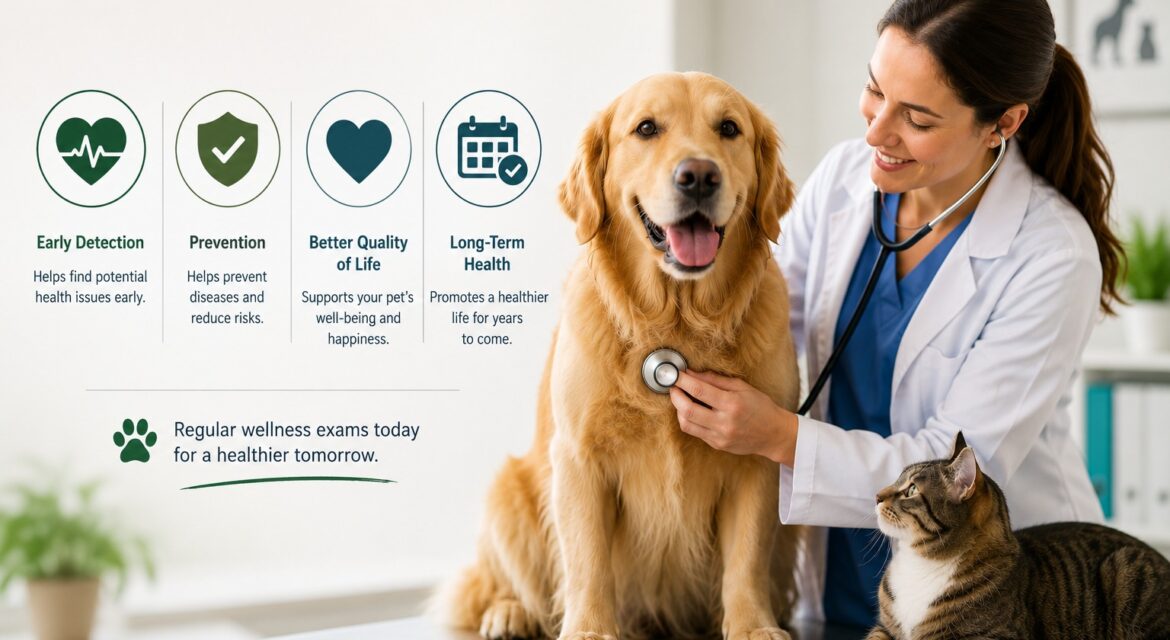
Early Detection of Health Problems
Many conditions such as diabetes, kidney disease, arthritis, heart disease, and dental issues can develop without noticeable symptoms. Routine exams allow veterinarians to identify these problems early, improving treatment outcomes and reducing long-term health risks.
Preventive Care Saves Money
Preventing disease is often less expensive than treating advanced medical conditions. Regular wellness visits help address minor concerns before they become major health complications that require extensive treatment.
Customized Health Recommendations
Every pet has unique health needs based on age, breed, lifestyle, and medical history. Annual exams provide an opportunity for veterinarians to offer personalized guidance on nutrition, exercise, vaccinations, and preventive care.
Better Quality of Life
Regular health checkups help pets remain active, comfortable, and healthy through every stage of their lives. Early intervention can reduce pain, prevent disease progression, and support overall well-being.
How Often Should Pets Have Wellness Exams?
For most healthy adult pets, one wellness exam per year is recommended. However, puppies, kittens, senior pets, and animals with existing medical conditions may benefit from more frequent check-ups.
Senior pets, in particular, age much faster than humans and may experience age-related health changes within a short period. Biannual wellness visits are often recommended for older pets to monitor their health more closely.
Preparing for Your Pet’s Wellness Visit
To get the most out of your appointment:
- Bring records of any medications or supplements your pet takes.
- Note any changes in behavior, appetite, or activity levels.
- Prepare questions about nutrition, exercise, or health concerns.
- Bring a fresh stool sample if your veterinarian requests one.
Open communication with your veterinary team helps ensure your pet receives the most appropriate care.
Final Thoughts
A pet annual wellness exam is one of the most important investments you can make in your pet’s health. These routine check-ups play a vital role in disease prevention, early diagnosis, and long-term wellness. By staying proactive with regular veterinary visits, you can help your pet enjoy a healthier, happier life for years to come.
Remember, pets cannot always tell us when something is wrong. Annual wellness exams help identify your pet’s needs and provide timely care before health concerns become serious.