Your pet’s smile is more than just adorable; it plays a crucial role in their overall health and well-being. Just like humans, dogs and cats can develop dental problems such as plaque buildup, gum disease, and tooth decay if their oral health is neglected. Dental disease is one of the most common health issues in pets, affecting many dogs and cats by the age of three.
Why Is Pet Dental Care Important?
Dental disease can affect more than just the mouth. Bacteria from infected gums and teeth can enter the bloodstream and potentially impact vital organs such as the heart, liver, and kidneys.
Maintaining good oral hygiene can help:
- Prevent bad breath
- Reduce plaque and tartar buildup
- Prevent gum disease and tooth loss
- Minimize oral pain and discomfort
- Support overall health and longevity
Signs Your Pet May Have Dental Problems
Common symptoms include:
- Persistent bad breath
- Yellow or brown tartar buildup on teeth
- Red, swollen, or bleeding gums
- Difficulty chewing food
- Drooling excessively
- Pawing at the mouth
- Loose or missing teeth
- Reduced appetite
If you notice any of these signs, schedule a veterinary dental examination as soon as possible.
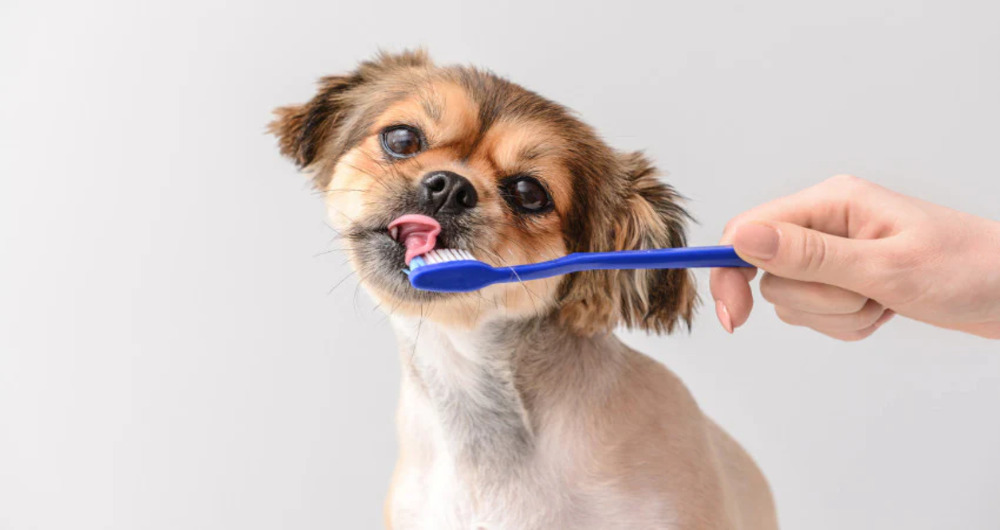
1. Brush Your Pet’s Teeth Regularly
Brushing is one of the most effective ways to prevent dental disease.
Tips for successful brushing:
- Use a pet-specific toothbrush and toothpaste.
- Never use human toothpaste.
- Start slowly and reward your pet.
- Aim to brush several times per week.
2. Choose Dental-Friendly Treats and Chews
Dental chews and treats can help reduce plaque buildup while satisfying your pet’s natural chewing instincts.
- Choose veterinarian-recommended products.
- Select options suitable for your pet’s size.
- Use dental treats alongside brushing, not as a replacement.
3. Provide a Healthy Diet
Nutrition plays an important role in oral health. Certain veterinary dental diets are specifically formulated to reduce plaque and tartar buildup while supporting gum health.
4. Schedule Regular Veterinary Dental Checkups
Routine dental examinations allow veterinarians to:
- Detect early signs of dental disease
- Identify hidden oral health issues
- Recommend preventive care
- Determine when professional cleaning may be needed
5. Don’t Ignore Bad Breath
Bad breath is often one of the earliest signs of dental disease. If your pet’s breath suddenly becomes unpleasant, it may indicate gum disease, tooth infection, or another underlying issue.
6. Understand the Importance of Professional Dental Cleanings
Professional dental cleanings help remove tartar and bacteria that cannot be eliminated through brushing alone. These procedures help prevent painful dental conditions and support long-term health.
For expert pet dental care and preventive oral health services, trust Seven Oaks Pet Hospital. Schedule your pet’s dental checkup today and help keep their teeth, gums, and overall health in excellent condition.