If your dog has been constantly scratching, licking its skin, or developing red bumps and scabs, it could be suffering from pyoderma, a common bacterial skin infection. While it can cause discomfort, early diagnosis and proper treatment can help your dog recover quickly.
What Is Pyoderma in Dogs?
Pyoderma is a bacterial skin infection that occurs when bacteria multiply on damaged skin. It is often a secondary condition caused by allergies, parasites, hormonal disorders, or excessive moisture.
Pyoderma is commonly classified into:
- Surface Pyoderma: Affects only the outer layer of the skin.
- Superficial Pyoderma: Involves hair follicles and the upper skin layers.
- Deep Pyoderma: Extends into deeper skin tissues and is more severe.
What Causes Pyoderma?
Common causes include:
- Environmental or food allergies
- Fleas and mites
- Excessive scratching or licking
- Hormonal disorders
- Weak immune system
- Skin folds that trap moisture
- Poor skin hygiene
Treating the underlying cause is important to prevent recurrence.
Common Symptoms of Pyoderma
Watch for these signs:
- Persistent itching
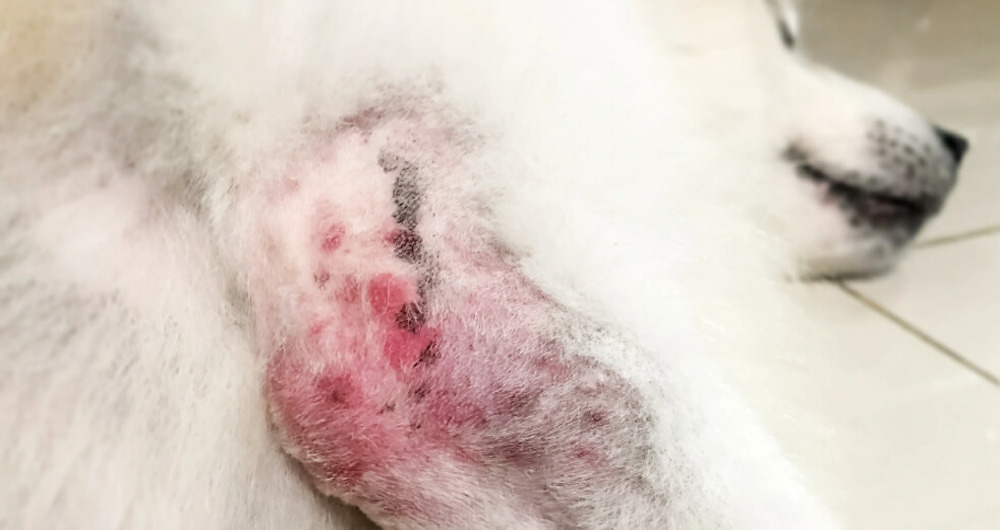
- Red, inflamed skin
- Pus-filled bumps
- Hair loss
- Scabs or crusts
- Bad skin odor
- Excessive licking
- Painful or swollen skin
Early veterinary care helps prevent the infection from worsening.
How Is Pyoderma Diagnosed?
Your veterinarian may perform:
- Skin examination
- Skin cytology
- Skin scraping
- Fungal testing
- Bacterial culture for severe or recurring cases
These tests help identify the infection and its underlying cause.
Treatment Options
Depending on the severity, treatment may include:
- Oral antibiotics
- Medicated antibacterial shampoos
- Topical creams or sprays
- Anti-itch medication
- Parasite control
- Allergy management
Always complete the prescribed treatment, even if your dog’s skin improves sooner.
Can Pyoderma Be Prevented?
You can reduce the risk by:
- Grooming your dog regularly.
- Keeping the skin clean and dry.
- Using routine flea and tick prevention.
- Feeding a balanced diet.
- Managing allergies early.
- Scheduling regular veterinary check-ups.
When Should You Visit a Veterinarian?
Consult your veterinarian if your dog has persistent itching, recurring skin infections, hair loss, foul-smelling skin, or painful sores. Avoid self-medicating, as incorrect treatment can delay healing.
Helping Your Dog Stay Comfortable
Pyoderma is a treatable condition, especially when diagnosed early. Addressing both the infection and its underlying cause is essential for long-term skin health.
At Seven Oaks Pet Hospital, we provide comprehensive dermatology consultations, advanced diagnostics, and personalized treatment plans to help your dog recover comfortably. If you notice signs of a skin infection, visit our veterinary team for timely diagnosis and expert care.
Disclaimer:
This article is intended for educational purposes only and should not replace professional veterinary advice. If your pet is showing signs of illness or discomfort, please consult Seven Oaks or nearest qualified veterinarian for an accurate diagnosis and appropriate treatment.