Protecting your dog from worms in dogs is an essential part of responsible pet care. Intestinal parasites can affect dogs of all ages, causing digestive problems, weight loss, poor growth in puppies, and other health complications. The good news is that with proper dog worm prevention, you can significantly reduce the risk of infection and keep your furry companion healthy.
What Are Worms in Dogs?
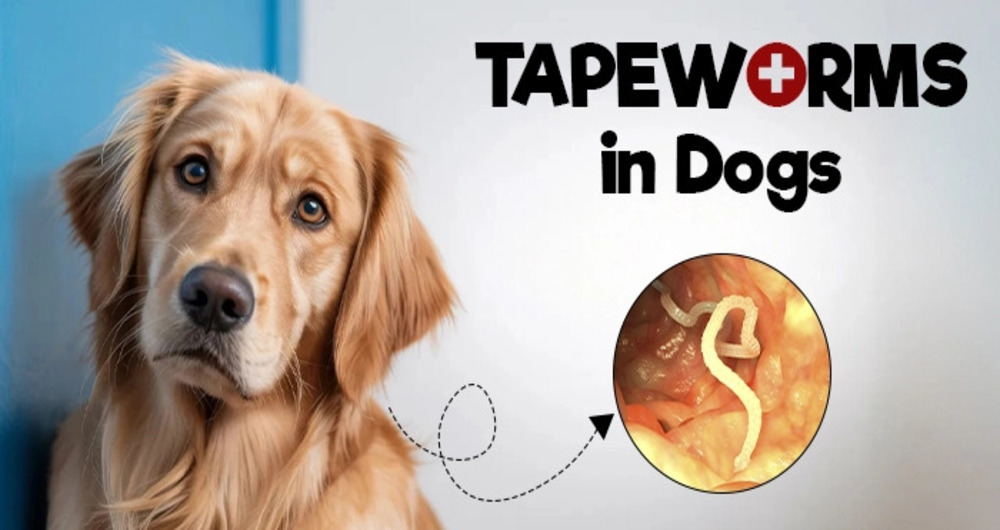
The most common intestinal worms in dogs include roundworms, tapeworms, hookworms, and whipworms. These parasites live inside the digestive tract, feeding on nutrients and affecting your dog’s overall health. Puppies are especially vulnerable and often require a dedicated puppy deworming schedule.
How Do Dogs Get Worms?
Dogs can become infected by:
- Eating contaminated soil or feces
- Drinking contaminated water
- Swallowing infected fleas
- Hunting rodents or wildlife
- Contact with infected animals
- Puppies acquiring worms from their mother
Even indoor dogs are not completely protected, making regular preventive care important.
Signs of Worms in Dogs
Knowing the signs of worms in dogs helps ensure early treatment. Common symptoms include:
- Vomiting or diarrhea
- Weight loss
- Pot-bellied appearance in puppies
- Dull coat
- Scooting on the floor
- Visible worms in stool
- Fatigue or weakness
Some dogs may show no obvious symptoms, so routine veterinary checkups are recommended.
How to Prevent Worms in Dogs
Follow a Regular Deworming Schedule
Routine dog deworming is the most effective way to prevent parasites. Your veterinarian will recommend the right schedule based on your dog’s age, lifestyle, and risk factors.
Maintain Good Hygiene
Clean your dog’s bedding, wash food bowls regularly, and dispose of feces promptly to reduce the spread of parasites.
Control Fleas
Since fleas can transmit tapeworms in dogs, using veterinarian-approved flea prevention is an important part of parasite control.
Avoid Contaminated Areas
Prevent your dog from eating animal waste, drinking stagnant water, or hunting rodents, as these can expose them to parasites.
Visit Your Veterinarian Regularly
Routine wellness exams and fecal testing help detect parasites early, even when your dog appears healthy.
Final Thoughts
Learning how to prevent worms in dogs is one of the best ways to protect your pet’s health. Regular dog deworming, good hygiene, flea control, and routine veterinary care can help prevent serious parasite infections and ensure your dog lives a long, healthy life.
Protect Your Dog with Preventive Care at Seven Oaks Pet Hospital
At Seven Oaks Pet Hospital, we offer comprehensive preventive healthcare, including routine health checkups, parasite screening, personalized deworming schedules, and flea and tick prevention. Whether you have a playful puppy or an adult dog, our experienced veterinary team is committed to keeping your pet healthy and protected. Schedule your dog’s preventive health check today and give them the best defense against worms and other common parasites.
Disclaimer: This article is intended for educational purposes only and should not replace professional veterinary advice. If your pet is showing signs of illness or discomfort, please consult Seven Oaks or the nearest qualified veterinarian for an accurate diagnosis and appropriate treatment.