Pet birds are good at hiding signs of illness. A bird that appears slightly quieter than usual, eats less, or spends more time sitting still may already be dealing with a health problem. This is one reason regular veterinary care is important for birds, even when they seem healthy.
If you are looking for a bird vet in Hyderabad, it is helpful to know when a routine check-up is enough and when your bird may need specialized veterinary attention. Avian medicine requires knowledge of bird-specific anatomy, nutrition, behavior, and diseases, which can differ significantly from the healthcare needs of dogs and cats.
Why Do Birds Need a Specialist Vet?
Birds have unique physiological and nutritional requirements. They can also hide weakness as a natural survival response, meaning visible symptoms may appear only after an illness has progressed. Changes in behavior, appetite, droppings, vocalization, or activity should therefore not be ignored.
An avian or bird veterinarian can assess your pet based on its species and individual needs. A specialist may also advise you about nutrition, housing, hygiene, preventive care, and other factors that influence long-term bird health.
Signs Your Bird Should See a Vet
Some changes may seem minor but can indicate an underlying problem. Contact a veterinarian if you notice:
- Reduced appetite or refusing food
- Unusual tiredness or sleeping more than normal
- Sitting at the bottom of the cage
- Fluffed-up feathers for prolonged periods
- Difficulty breathing or noticeable tail movement while breathing
- Changes in droppings
- Vomiting or repeated regurgitation
- Sudden weight loss
- Feather plucking or unusual feather loss
- Discharge from the eyes, nose, or mouth
- Changes in vocalization or normal behavior
- Difficulty standing, flying, or using a wing or leg
Because birds can deteriorate quickly, significant breathing difficulty, severe weakness, bleeding, trauma, or inability to eat should be treated as an urgent veterinary concern.
When Should a Healthy Bird Have a Check-Up?
You do not have to wait until your bird becomes sick before visiting a veterinarian. Regular wellness examinations can help identify problems that may not be obvious at home. Newly acquired birds should also receive a veterinary examination soon after coming home, while routine check-ups can help monitor their health over time.
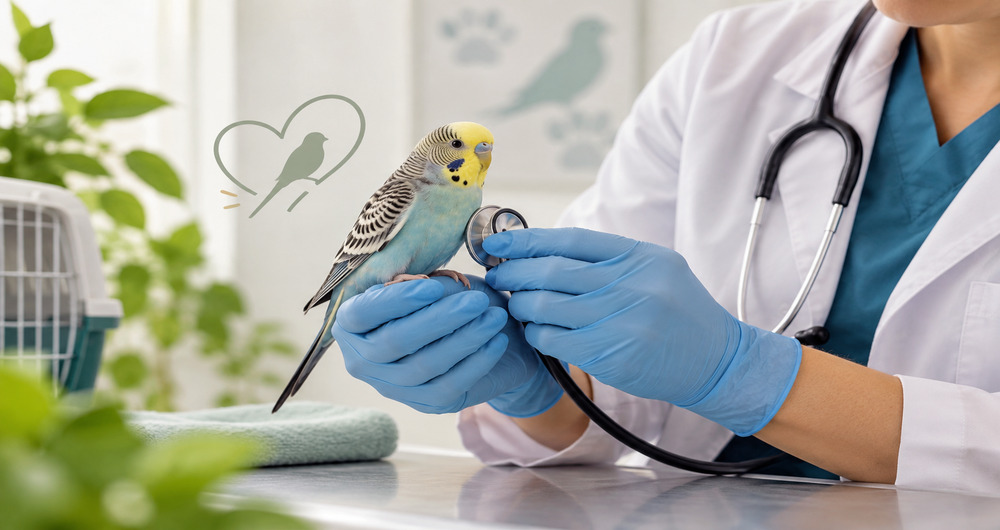
During a consultation, the veterinarian may assess your bird’s weight, body condition, feathers, beak, eyes, breathing, wings, legs, and overall behavior. Depending on the findings, additional tests such as bloodwork, fecal examination, X-rays, or other diagnostic tests may be recommended.
How to Prepare for a Bird Veterinary Visit
Before visiting a bird vet in Hyderabad, note any recent changes in your pet’s appetite, activity, droppings, sleep, or behavior. Bring previous medical records if available and tell the veterinarian about your bird’s normal diet and living environment.
Photos or videos of the cage setup can also be useful when discussing housing and care. If possible, avoid making major changes to your bird’s routine immediately before the appointment unless advised by a veterinarian.
Choosing the Right Bird Vet in Hyderabad
When choosing veterinary care for your bird, look for a professional with experience treating avian or exotic pets. Species-specific knowledge can be particularly important when your bird requires diagnostic testing, treatment, nutritional advice, or emergency care.
At Seven Oaks Pet Hospital, the Exotic Specialist service is designed to support the veterinary needs of exotic pets, including birds. If your bird shows unusual symptoms or you are concerned about its health, seeking professional advice early can help identify potential problems and determine the appropriate care.
Disclaimer:
This article is intended for educational purposes only and should not replace professional veterinary advice. If your pet is showing signs of illness or discomfort, please consult Seven Oaks or the nearest qualified veterinarian for an accurate diagnosis and appropriate treatment.
FAQ’S
Healthy birds should receive regular veterinary check-ups. Your veterinarian can recommend the appropriate schedule based on your bird’s species, age, health, and individual needs.
Reduced appetite, lethargy, fluffed feathers, changes in droppings, breathing problems, weight loss, unusual vocalization, and changes in normal behavior can indicate illness.
Some veterinarians may treat birds, but avian medicine has specific requirements. It is preferable to choose a veterinarian with relevant experience in treating pet birds.
Yes. Breathing difficulty, open-mouth breathing, or pronounced tail movement while breathing can indicate serious respiratory problems and requires prompt veterinary attention.
Bring previous medical records, details about your bird’s diet and routine, and information about any recent changes in behavior, appetite, droppings, or activity.