Your dog may not be able to tell you when their joints hurt. Instead, the first clues can be surprisingly small: taking a little longer to get up, hesitating before climbing the stairs, or losing interest in a favorite game.
It’s easy to dismiss these changes as “just getting older.” But they can also be early dog arthritis signs. Recognizing them early gives your veterinarian the opportunity to assess the problem and create a management plan that helps your dog stay comfortable and active.
What Is Arthritis in Dogs?
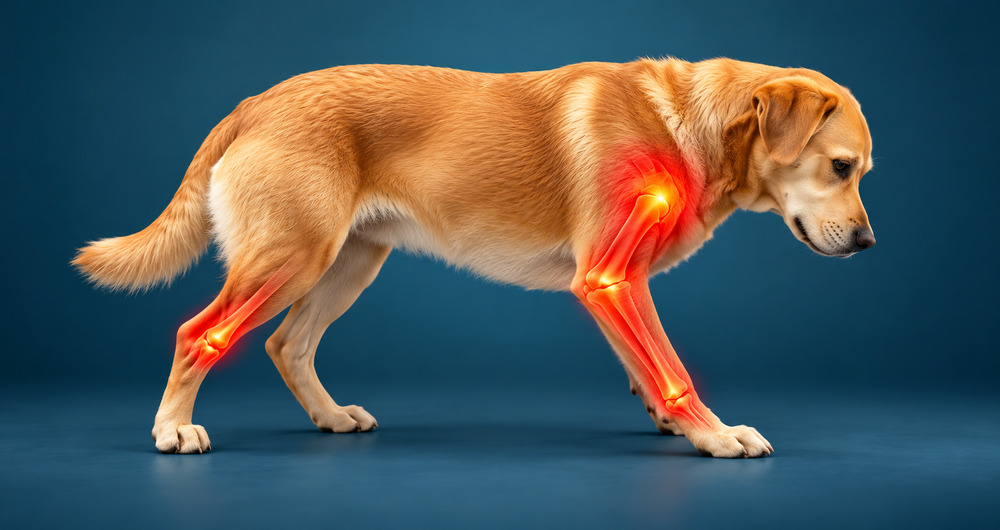
If you’re wondering what arthritis is in dogs, arthritis is a broad term for conditions involving joint inflammation. One of the most common forms is osteoarthritis (OA), a chronic, progressive condition in which the cartilage within a joint deteriorates, contributing to inflammation, stiffness, pain and reduced mobility.
Although arthritis is often associated with senior dogs, it can occur at other ages too. Dogs with hip or elbow dysplasia, previous joint injuries, ligament damage or excess body weight may have a higher risk of developing osteoarthritis.
Early Dog Arthritis Signs You Shouldn’t Ignore
Arthritis does not always begin with an obvious limp. In fact, some of the earliest symptoms can look like subtle changes in your dog’s everyday routine.
1. Difficulty Getting Up
Does your dog take longer to rise after sleeping or resting? Stiffness when getting up is one of the common signs associated with osteoarthritis.
2. Hesitating Before Using Stairs or Jumping
A dog who once jumped onto the sofa or into the car without thinking may suddenly pause, avoid the movement altogether or wait for your help.
Reluctance to climb stairs or jump can indicate that certain movements have become uncomfortable.
3. Slower or Shorter Walks
Notice your dog walking behind you instead of ahead? Are they asking to return home sooner?
Reduced stamina, slower walking and reluctance to exercise can all be dog arthritis signs, not simply signs of ageing.
4. Limping or Changes in the Way They Walk
Lameness may affect one or more legs. You might also notice your dog shifting their weight differently when standing or walking to reduce pressure on a painful joint.
5. Changes in Mood or Behaviour
Pain doesn’t always look physical. Some dogs become unusually irritable, less interested in playing, reluctant to be touched in certain areas or less socially interactive. Behavioral changes can sometimes be an important clue that your dog is uncomfortable.
How Is Dog Arthritis Diagnosed?
A dog arthritis diagnosis usually begins with your veterinarian asking about changes you have noticed at home. They may watch your dog walk, assess posture and gait, examine the joints and check for pain, reduced movement or other abnormalities.
X-rays may then be recommended to evaluate changes in the joints and bones or identify underlying orthopedic conditions. In selected cases, advanced imaging such as CT or MRI may be recommended when additional detail is required.
A useful tip? Record a short video of your dog walking, getting up or using stairs at home. Dogs may behave differently at a veterinary hospital, so videos can give your veterinarian valuable information about changes you are seeing day to day.
Can Arthritis in Dogs Be Managed?
Osteoarthritis cannot currently be cured, but appropriate management can help reduce discomfort and maintain mobility and quality of life. Depending on your dog’s individual condition, management may include weight control, controlled low-impact exercise, veterinary-prescribed pain management, rehabilitation and changes around the home, such as non-slip flooring or ramps.
Never give your dog human painkillers unless specifically instructed by a veterinarian.
Concerned About Your Dog’s Mobility? Visit Seven Oaks Pet Hospital
If your dog is slowing down, limping or showing changes in mobility, don’t automatically assume it’s simply old age.
At Seven Oaks Pet Hospital, our veterinary team can assess your dog’s mobility and joint health and recommend appropriate diagnostic tests and a personalized management approach based on their condition.
With advanced diagnostic facilities and veterinary care, we’re here to help pets receive the care they need at every stage of life.
Noticing a change in the way your dog moves? Book a veterinary consultation with Seven Oaks Pet Hospital.
Disclaimer:
This article is intended for educational purposes only and should not replace professional veterinary advice. If your pet is showing signs of illness or discomfort, please consult Seven Oaks or the nearest qualified veterinarian for an accurate diagnosis and appropriate treatment.
FAQ’s
Early signs may include stiffness after resting, slower walks, difficulty getting up, reluctance to jump or climb stairs, and subtle changes in behavior.
Yes. Osteoarthritis can affect dogs at different ages, particularly those with developmental joint conditions, previous injuries or other orthopedic problems.
Diagnosis generally involves your dog’s medical history, gait and physical examination, and, when appropriate, X-rays or other imaging tests.