
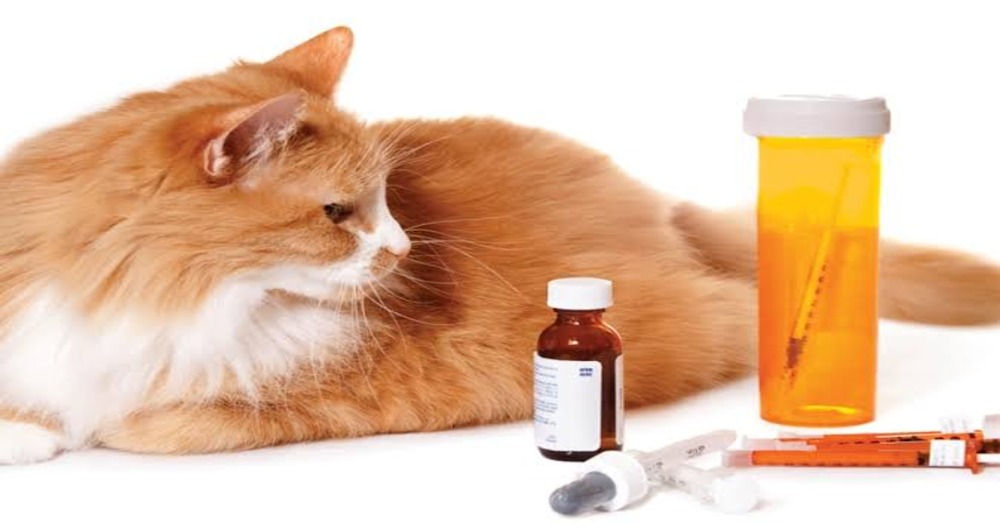
Cats can experience pain due to injuries, arthritis, dental problems, infections, surgery, or underlying illnesses. However, cats cannot safely take many commonly used human painkillers. Some medicines can cause serious poisoning and may even be fatal.
So, are painkillers safe for cats? Yes, but only when the right medication is prescribed and administered under veterinary supervision.
How Do You Know If Your Cat Is in Pain?
Cats are naturally good at hiding pain. Instead of crying or showing obvious discomfort, they may display subtle changes in behavior.
Common signs of pain in cats include:
- Hiding more than usual
- Loss of appetite
- Reduced activity or reluctance to move
- Limping or difficulty jumping
- Changes in grooming habits
- Aggression or unusual irritability
- Restlessness or changes in sleeping patterns
- Excessive licking of a particular area
- Changes in litter box habits
If you notice sudden behavioral or physical changes, have your cat examined by a veterinarian rather than assuming pain is the only cause.
Can Cats Take Human Painkillers?
Never give your cat a human painkiller unless a veterinarian specifically instructs you to do so.
Medicines such as paracetamol (acetaminophen), ibuprofen, naproxen, and aspirin can be dangerous for cats. Cats process certain medicines differently from humans, making some human painkillers particularly toxic.
Paracetamol Is Especially Dangerous
Paracetamol, also known as acetaminophen, should not be given to cats. Cats have limited ability to process this medicine, which can cause severe toxicity, including blood and liver problems.
Even a medicine that is considered safe for people can therefore be extremely dangerous for a cat.
What Painkillers Can Vets Give Cats?
Veterinarians have several options for managing pain in cats. The medication depends on the cause and severity of pain, the cat’s age, overall health, and other medicines being used.
Depending on the situation, vets may use:
- Veterinary NSAIDs for certain types of pain and inflammation
- Opioid medications for moderate to severe pain
- Local anesthetics during procedures
- Medications for nerve-related pain
- Other specialized pain-management treatments
Veterinarians may also combine different approaches for effective pain relief.
What About Painkillers After Cat Surgery?
Pain management is an important part of recovery after surgery. Your veterinarian may prescribe medication based on the procedure and your cat’s individual needs.
Give the medicine exactly as prescribed. Never increase the dose, give an extra dose, or substitute another medicine.
What Should You Do If Your Cat Accidentally Takes a Painkiller?
If your cat accidentally takes a human painkiller:
- Contact your veterinarian immediately.
- Tell them the medicine name and strength.
- Tell them approximately how much was taken and when.
- Keep the medicine packaging available.
- Do not attempt home treatment unless instructed by a veterinarian.
How Can You Keep Your Cat Safe?
The safest approach is simple: never self-medicate your cat.
Keep human medicines securely stored and away from pets. If your cat appears to be in pain, consult a veterinarian to identify the cause and recommend appropriate treatment.
The Bottom Line
Painkillers can be safe for cats when the correct medication is selected and prescribed by a veterinarian. Human painkillers should never be given without veterinary guidance.
If your cat is showing signs of pain, don’t wait or try a medicine from your own cabinet. Consult a veterinarian for safe and appropriate pain management.
At Seven Oaks Pet Hospital, our veterinary team can assess your cat’s condition and recommend an appropriate pain-management plan based on their individual needs.
Disclaimer:
This article is intended for educational purposes only and should not replace professional veterinary advice. If your pet is showing signs of illness or discomfort, please consult Seven Oaks or the nearest qualified veterinarian for an accurate diagnosis and appropriate treatment.
FAQ’S:
No. Cats cannot process human meds like Tylenol or ibuprofen, and even tiny doses can be fatal.
Common signs include pale or blue gums, swollen paws or face, vomiting, lethargy, and difficulty breathing.
Contact an emergency vet immediately with the medicine name, dosage, and approximate time swallowed.
At Seven Oaks, We customize feline-safe treatment plans using precise, cat-approved pain relief and supportive care tailored to your cat’s health needs.