Cat Parvo Symptoms can develop quickly and become life-threatening if not treated early. Also known as Feline Panleukopenia, Feline Distemper, or Feline Parvovirus, this highly contagious viral disease affects cats of all ages, especially kittens. Understanding the early signs of parvo in cats can help pet owners seek prompt veterinary care and improve recovery chances.
What Is Parvo in Cats?
Parvo in cats is caused by the Feline Panleukopenia Virus (FPV), a virus that attacks rapidly dividing cells in the body, particularly those in the intestines, bone marrow, and immune system. Because of its severe impact on a cat’s health, Feline Panleukopenia is considered one of the most serious infectious diseases in cats.
Early Signs of Parvo in Cats
Recognizing the symptoms of Feline Panleukopenia early is crucial. Some of the most common cat distemper symptoms include:
- Sudden loss of appetite
- Lethargy and weakness
- High fever
- Vomiting
- Severe diarrhea
- Dehydration
- Weight loss
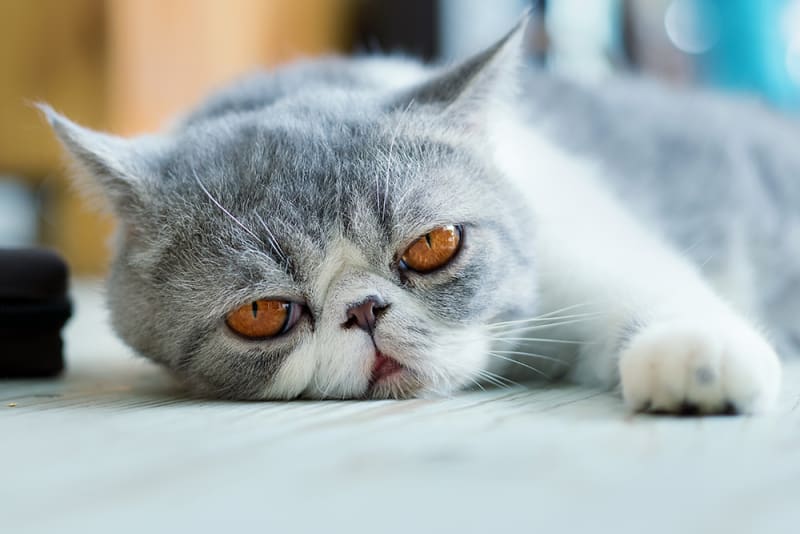
- Depression and hiding behavior
Many pet owners are searching for “What are the first signs of parvo in cats?” often notice that their cat is unusually tired, refuses food, and begins vomiting. These are important warning signs that should never be ignored.
Parvo in Kittens Symptoms
Parvo in kittens’ symptoms can be even more severe because young cats have weaker immune systems. Kittens may experience rapid dehydration, persistent vomiting, diarrhea, and extreme weakness. Without immediate veterinary attention, the disease can become fatal.
How Do Cats Get Parvo?
Many owners wonder, “How do cats get parvo?” The virus spreads through contact with infected cats, contaminated food bowls, bedding, litter boxes, or even environments where the virus is present. Since the virus can survive for long periods, even indoor cats can get parvo if exposed indirectly.
Cat Parvo Treatment
There is no specific cure for Feline Parvovirus, but cat parvo treatment focuses on supportive care. Veterinarians may provide intravenous fluids, medications to control vomiting, nutritional support, and monitoring to prevent secondary infections. Early diagnosis significantly improves survival rates.
Prevention Is Key
Vaccination remains the most effective way to protect cats from Feline Distemper and Feline Panleukopenia Virus. Keeping vaccinations up to date and maintaining good hygiene can greatly reduce the risk of infection.
If you notice any cat parvo symptoms, seek veterinary care immediately. Early detection and treatment can make a significant difference in your cat’s recovery and long-term health.
At Seven Oaks Pet Hospital, our experienced veterinary team is equipped to diagnose and manage Feline Panleukopenia, Cat Parvo, and other infectious diseases with advanced diagnostic facilities and compassionate care. If your cat is showing signs of illness, contact Seven Oaks Pet Hospital for timely evaluation and treatment to give your feline companion the best chance of recovery.