
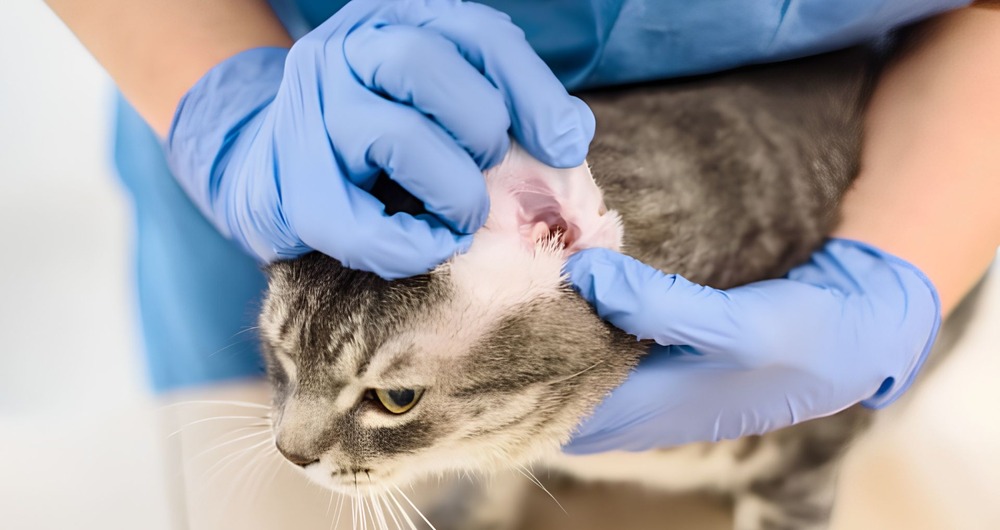
Cats are known for hiding pain, making ear infections difficult to spot in the early stages. However, noticing the warning signs early can help prevent discomfort and more serious complications. If your cat is showing unusual behavior around its ears, it’s important to seek veterinary care promptly.
What Is an Ear Infection in Cats?
An ear infection, also called otitis, is inflammation of the ear caused by bacteria, yeast, ear mites, allergies, or other underlying conditions. It can affect the outer, middle, or inner ear and should never be left untreated.
Signs of an Ear Infection You Should Never Ignore
1. Frequent Ear Scratching
Constant scratching around one or both ears is one of the earliest signs of irritation or infection.
2. Head Shaking or Tilting
Frequent head shaking or holding the head to one side may indicate pain or inflammation inside the ear.
3. Redness and Swelling
Healthy ears are pale pink. Red, swollen, or inflamed ears often signal an infection.
4. Bad Odor
A strong, unpleasant smell coming from the ears usually points to bacterial or yeast overgrowth.
5. Ear Discharge
Brown, black, yellow, or green discharge, excessive wax, or sticky debris inside the ears should never be ignored.
6. Pain When Touched
If your cat cries, pulls away, or resists having its ears touched, an ear infection may be causing discomfort.
7. Loss of Balance
Severe infections affecting the middle or inner ear can lead to stumbling, walking in circles, or difficulty maintaining balance. This requires immediate veterinary attention.
What Causes Ear Infections?
Common causes include:
- Ear mites
- Bacterial infections
- Yeast infections
- Allergies
- Foreign objects
- Ear polyps
- Excess wax buildup
A veterinary examination is necessary to identify the exact cause.
Treatment Options
Depending on the diagnosis, treatment may include professional ear cleaning, prescription ear drops, antibiotics, antifungal medication, treatment for ear mites, or managing underlying allergies. Avoid using home remedies unless recommended by your veterinarian.
Can Ear Infections Be Prevented?
Regularly check your cat’s ears, treat ear mites promptly, manage allergies, and schedule routine veterinary checkups. Early detection is the best way to prevent recurring ear problems.
When Should You Visit the Veterinarian?
Book an appointment if your cat has persistent ear scratching, head shaking, foul-smelling ears, discharge, swelling, pain, or balance problems. Prompt treatment helps prevent complications and speeds recovery.
Trust Seven Oaks Pet Hospital for Expert Ear Care
At Seven Oaks Pet Hospital, our experienced veterinarians provide accurate diagnosis and effective treatment for cat ear infections. If you notice any warning signs, don’t delay. Early veterinary care can keep your cat comfortable, healthy, and free from long-term ear problems.
Disclaimer:
This article is intended for educational purposes only and should not replace professional veterinary advice. If your pet is showing signs of illness or discomfort, please consult Seven Oaks or nearest qualified veterinarian for an accurate diagnosis and appropriate treatment.