
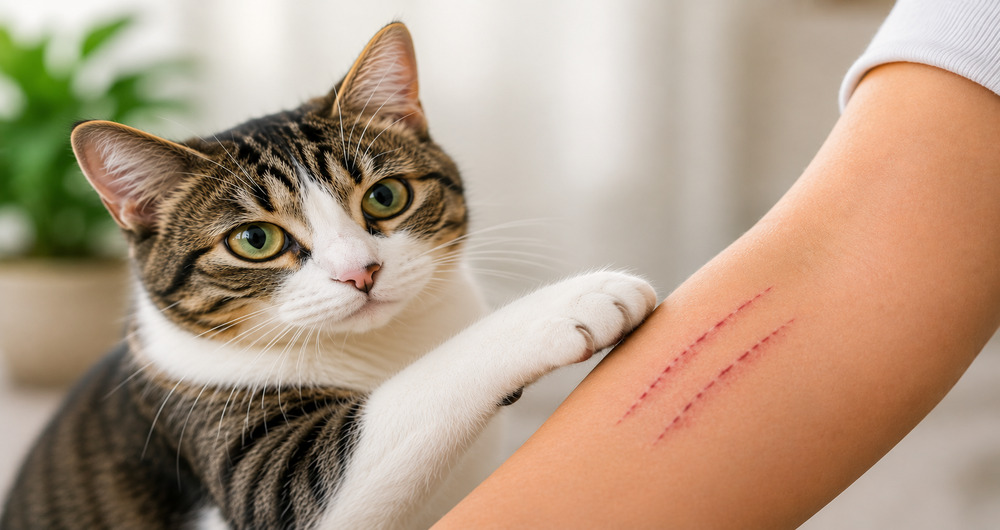
Cats are loving companions, but like any animal, they can sometimes carry bacteria that may cause infections in people. Cat scratch disease (CSD) is one such infection. It is usually associated with scratches or bites from cats and is caused by a bacterium called Bartonella henselae.
Although most cases are mild and resolve without serious complications, knowing the symptoms, causes, and prevention methods can help cat owners respond appropriately.
What Is Cat Scratch Disease?
Cat scratch disease is a bacterial infection caused primarily by Bartonella henselae. Cats can carry the bacteria without showing obvious signs of illness. The bacteria may be transmitted to people through a scratch, bite, or contact with infected cat saliva, particularly when saliva gets into an open wound.
Young cats and kittens are more commonly associated with the infection. Fleas can also play an important role in spreading Bartonella among cats.
What Causes Cat Scratch Disease?
The main cause of cat scratch disease is exposure to Bartonella henselae. A person may become infected when:
- A cat scratches or bites and breaks the skin.
- Infected saliva comes into contact with an open cut or wound.
- A person touches their eyes after contact with infected cat saliva.
- Flea contamination contributes to the spread of the bacteria between cats.
Importantly, not every cat scratch results in cat scratch disease. Most scratches do not lead to infection, but proper wound care is still important.
Symptoms of Cat Scratch Disease
Symptoms can develop several days or even weeks after a scratch or bite. The first noticeable sign is often a small bump or blister at the site of the injury.
Other common symptoms may include:
- Swollen or tender lymph nodes
- Mild fever
- Fatigue or weakness
- Headache
- Reduced appetite
- General body discomfort
The lymph nodes closest to the scratch may become swollen and painful. For example, a scratch on the hand or arm may lead to swollen lymph nodes around the elbow or armpit.
In healthy people, symptoms are generally mild. However, people with weakened immune systems may be at greater risk of developing more serious complications.
How Is Cat Scratch Disease Diagnosed?
Doctors generally consider a person’s symptoms, medical history, and history of contact with cats when evaluating possible cat scratch disease. A physical examination can help identify swollen lymph nodes or other signs of infection.
In some cases, blood tests may be recommended to look for evidence of Bartonella infection. Since several conditions can cause similar symptoms, medical evaluation is important when symptoms persist or become severe.
Treatment for Cat Scratch Disease
Many healthy people recover from cat scratch disease without specific treatment. Symptoms may gradually improve over a few weeks.
Doctors may recommend supportive care, such as rest, fluids, and appropriate medication for fever or discomfort. Antibiotics may be prescribed in certain cases, particularly when symptoms are severe or prolonged or complications develop.
Treatment should always be based on medical advice rather than self-medication. If you develop unusual symptoms following a cat scratch or bite, consult a healthcare professional.
How to Prevent Cat Scratch Disease
You don’t need to avoid cats to reduce your risk. Simple hygiene and responsible pet care can make a significant difference.
Keep your cat’s flea prevention up to date: Fleas can contribute to the transmission of Bartonella between cats.
Avoid rough play: Games that encourage biting or scratching can increase the chance of skin injuries.
Wash scratches promptly: Clean the affected area thoroughly with soap and running water after a scratch or bite.
Don’t allow cats to lick wounds: Cat saliva should not come into contact with cuts, scratches, or other open skin.
Wash your hands: Good hand hygiene is especially important after handling cats, litter boxes, or pet-related items.
Keep your cat’s nails trimmed: Regular nail care can reduce accidental scratches during play or handling.
When Should You Seek Medical Care?
A minor scratch usually isn’t a cause for panic. However, seek medical advice if the wound becomes increasingly red, swollen, painful, or warm, or if you develop a fever or swollen lymph nodes after being scratched.
People with weakened immune systems should be particularly cautious and contact a healthcare professional if they develop symptoms following a cat scratch or bite.
Key Takeaway
Cat scratch disease is a bacterial infection associated with Bartonella henselae and exposure to infected cats. Most cases are mild, but prompt wound cleaning, flea prevention, safe handling, and good hygiene can help reduce the risk. If symptoms appear after a cat scratch, especially persistent fever or swollen lymph nodes, medical evaluation is recommended.
Disclaimer:
This article is intended for educational purposes only and should not replace professional veterinary advice. If your pet is showing signs of illness or discomfort, please consult Seven Oaks or the nearest qualified veterinarian for an accurate diagnosis and appropriate treatment.