Just like humans, dogs need regular dental care to keep their teeth and gums healthy. Dental care is often overlooked until pet parents notice bad breath in dogs, yellow teeth, or difficulty eating.
Regular dog teeth cleaning at home can help reduce plaque buildup and support better oral hygiene. With patience and the right approach, brushing your dog’s teeth can become a simple part of their routine.
Why Is Dog Teeth Cleaning Important?
Plaque is a sticky layer of bacteria that builds up on your dog’s teeth. If it is not removed regularly, it can harden into tartar and contribute to gum inflammation, dental disease, bad breath, and discomfort.
Regular brushing helps remove plaque before it hardens. It also allows you to notice changes such as swollen gums, bleeding, loose teeth, or unusual growths early.
How to Brush Your Dog’s Teeth at Home
1. Choose the Right Toothbrush and Toothpaste
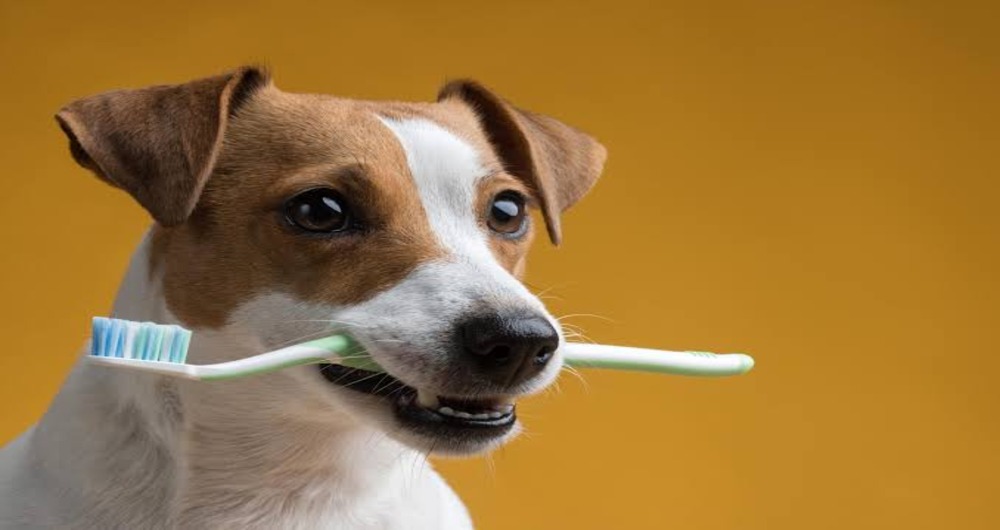
Use a toothbrush specifically designed for dogs and choose one that fits your pet comfortably.
Always use toothpaste made specifically for dogs. Human toothpaste should not be used because some ingredients may be unsafe for pets if swallowed.
2. Let Your Dog Get Used to the Toothpaste
Allow your dog to smell and taste a small amount of pet-safe toothpaste. You can place a little on your finger and let your dog lick it.
3. Get Your Dog Comfortable With Touch
Gently lift your dog’s lips and touch the teeth and gums with your finger. Keep sessions short and positive, using praise or a suitable reward.
4. Start Slowly
Once your dog is comfortable, introduce the toothbrush. Gently lift the lip and brush the outer surfaces using small, gentle movements, especially where the teeth meet the gums.
5. Gradually Increase the Brushing Time
Your dog may not tolerate a full cleaning initially. Start with a few seconds and gradually increase the duration as your dog becomes comfortable.
6. Make It a Regular Routine
Consistency is important. Ideally, brush your dog’s teeth regularly, preferably every day. If daily brushing isn’t possible, ask your veterinarian about a practical dental-care routine.
What About Dental Chews?
Dental chews for dogs can be an additional part of an oral-care routine. Some are designed to help mechanically reduce plaque as dogs chew.
However, dental chews should not completely replace brushing. Choose products appropriate for your dog’s size and follow the manufacturer’s recommendations.
What About Bad Breath in Dogs?
Persistent or unusually strong bad breath in dogs should not be ignored. It may be associated with plaque, tartar, gum disease, or dental infection.
If bad breath occurs with difficulty eating, excessive drooling, bleeding gums, facial swelling, or appetite changes, consult a veterinarian.
Can Brushing Remove Existing Tartar?
Brushing helps remove plaque and prevent further buildup, but once plaque hardens into tartar, brushing alone generally cannot remove it effectively.
If your dog has significant tartar, professional dental assessment and cleaning may be necessary.
How Often Should You Brush Your Dog’s Teeth?
For many dogs, daily brushing is ideal. Puppies can be introduced gradually, while older dogs or dogs with existing dental disease may need a veterinary examination first.
Signs Your Dog May Have a Dental Problem
- Persistent bad breath
- Yellow or brown buildup
- Red or swollen gums
- Excessive drooling
- Difficulty chewing
- Loose or damaged teeth
- Pawing at the mouth
- Facial swelling
If you notice these signs, schedule a veterinary dental examination.
Final Thoughts
Brushing your dog’s teeth at home is a simple way to support their oral health. Start slowly, use pet-safe products, reward your dog, and make brushing part of their routine.
Home dental care works best alongside regular veterinary check-ups. If your dog has significant tartar, persistent bad breath, or painful gums, professional veterinary care may be needed.
For professional dental care and veterinary guidance, Seven Oaks Pet Hospital offers advanced veterinary care focused on your pet’s oral health and overall well-being.
Visit Seven Oaks Pet Hospital for expert dental evaluation and personalized care for your pet.
Disclaimer:
This article is intended for educational purposes only and should not replace professional veterinary advice. If your pet is showing signs of illness or discomfort, please consult Seven Oaks or nearest qualified veterinarian for an accurate diagnosis and appropriate treatment.