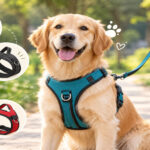
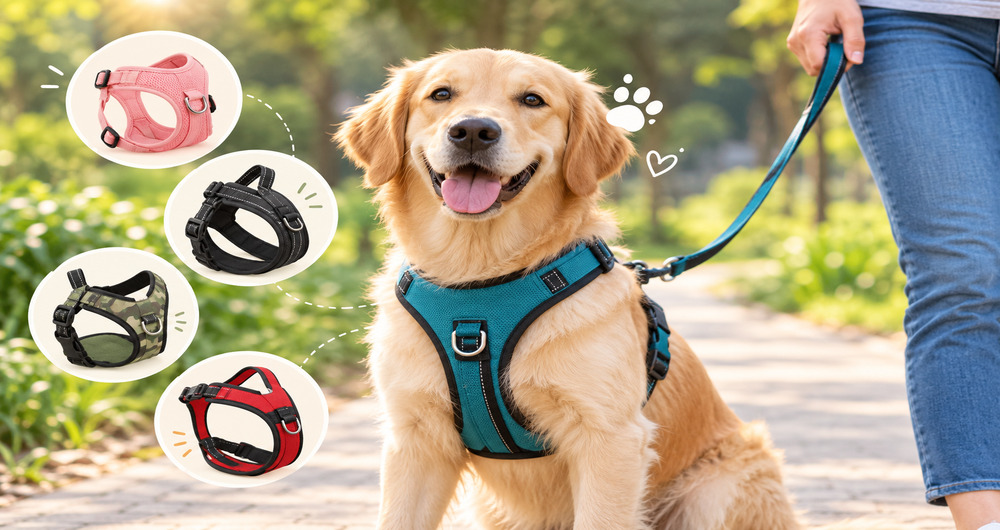
Taking your dog for a walk is an important part of keeping them active and healthy. However, choosing the right walking equipment can make a big difference to your pet’s comfort and safety. While some dogs walk calmly beside their owners, others pull on the leash, get distracted easily, or feel uncomfortable wearing a collar.
A dog harness can be a useful option because it distributes leash pressure across the body rather than concentrating it around the neck. However, not every harness suits every dog. Factors such as your pet’s size, breed, age, walking habits, and health needs should be considered before choosing one.
Here is how to find a suitable dog harness for your pet.
1. Measure Your Dog Before Buying a Harness
One of the most important steps is choosing the correct size. A harness that is too tight may rub against your dog’s skin or restrict movement, while a loose harness may allow your pet to slip out during a walk.
Use a soft measuring tape to measure your dog’s chest girth around the widest part of the rib cage, usually just behind the front legs. Some harnesses also require neck measurements.
Compare these measurements with the manufacturer’s sizing chart instead of relying only on your dog’s breed or weight. If your dog falls between two sizes, check the brand’s fitting recommendations and ensure the straps provide enough adjustment.
After putting the harness on, check that it sits securely without pressing into the skin or limiting normal movement.
2. Choose the Right Type of Dog Harness
Dog harnesses are available in different designs, and each has its own advantages.
Back-Clip Harness
A back-clip harness has a leash attachment on the dog’s back. It is often suitable for dogs that already walk comfortably on a leash and do not pull excessively.
This design is generally easy to put on and may be a practical option for everyday walks.
Front-Clip Harness
A front-clip harness has a leash attachment on the chest. It can offer additional control when a dog pulls, although its effectiveness depends on the dog’s behavior and how the harness is fitted.
Use it alongside positive-reinforcement training rather than relying on the harness alone to stop pulling.
Step-In Harness
A step-in harness allows a dog to place its front legs through the openings before the harness is secured. Some pet parents find this design convenient for dogs that dislike equipment being pulled over their heads.
Always check that the harness closes securely and does not twist during movement.
Padded or Vest-Style Harness
These harnesses may provide a broader contact area and additional padding. They can be useful for some dogs, provided the material is breathable and the design does not restrict shoulder movement.
The best option depends on your dog’s body shape, comfort, and walking needs.
3. Consider Your Dog’s Breed and Body Shape
Different dogs have different physical characteristics, so one harness design may not fit every breed equally well.
Small dogs may benefit from a lightweight harness that does not feel bulky. Larger, stronger dogs may need a sturdy, adjustable design with secure fastenings and durable leash attachments.
Dogs with short snouts, such as Pugs and French Bulldogs, may need particular care because breathing difficulties can be associated with their anatomy. Choose equipment that avoids unnecessary pressure on the neck and chest, and consult your veterinarian if your dog has breathing or mobility concerns.
For puppies, select a harness that can be adjusted as they grow. Check the fit regularly because a harness that fits today may become restrictive within a few weeks.
4. Check the Material, Padding, and Adjustability
A good dog harness should be comfortable enough for regular use and durable enough to withstand everyday activity.
Look for soft, strong materials that are suitable for your local climate. In warm and humid weather, breathable materials may help reduce heat and moisture buildup beneath the harness.
Adjustable straps are useful because they help you achieve a secure fit around the chest and neck. Buckles should fasten properly, stitching should be strong, and metal or plastic attachments should be free from damage.
Avoid designs with rough edges or straps that repeatedly rub against the armpits. After each walk, check for redness, hair loss, or skin irritation where the harness touches your dog’s body.
5. Think About Your Dog’s Walking Habits
Your dog’s behavior should also influence your choice.
If your dog walks calmly, a simple back-clip harness may be sufficient. If your dog tends to pull, a well-fitted front-clip harness may offer better steering control when combined with consistent training.
For dogs that are nervous about walks, introduce the harness gradually. Let your pet sniff it, reward calm behavior, and allow them to wear it indoors for short periods before attempting a longer walk.
Never force a frightened dog into a harness. Patience and positive reinforcement can help your pet develop a more comfortable association with walking equipment.
6. Make Sure the Harness Fits Properly
Even a well-designed harness can cause problems if it does not fit correctly.
After securing the harness, check that you can comfortably slide two fingers between the straps and your dog’s body, where the design permits. This is a general starting point rather than a universal rule, so follow the manufacturer’s fitting instructions.
Walk your dog for a short distance and observe their movement. The harness should not slide excessively, rub against the armpits, restrict the front legs, or interfere with normal breathing.
If your dog coughs, struggles to breathe, shows pain, or develops persistent skin irritation while wearing a harness, remove it when safe to do so and consult a veterinarian.
Final Thoughts
Choosing the right dog harness involves more than picking an attractive design. The correct size, suitable attachment style, comfortable material, and your dog’s individual needs all matter.
Measure your pet carefully, check the fit regularly, and introduce the harness gradually, especially if your dog is not used to wearing one. If your pet has breathing difficulties, neck pain, or mobility problems, seek veterinary advice before choosing walking equipment.
A comfortable, secure harness can make daily walks more manageable while helping you support your dog’s well-being.
Disclaimer:
This article is intended for educational purposes only and should not replace professional veterinary advice. If your pet is showing signs of illness or discomfort, please consult Seven Oaks or the nearest qualified veterinarian for an accurate diagnosis and appropriate treatment.
FAQ’s
A harness may be a suitable option for dogs that pull or need reduced pressure around the neck. A collar may still be appropriate for some dogs. The best choice depends on your pet’s health, behavior, and walking needs.
Measure your dog’s chest girth and neck, if required by the manufacturer. Compare the measurements with the brand’s sizing chart and check that the harness fits securely without restricting movement.
A properly fitted front-clip harness may help improve steering control for dogs that pull. Combine it with positive-reinforcement leash training, and consult a qualified trainer or veterinarian if pulling creates safety concerns.
Yes, puppies can generally wear a suitably sized harness designed for their age and body size. Introduce it gradually, supervise your puppy, and check the fit frequently as they grow.
A dog harness should fit securely without digging into the skin, restricting movement, or interfering with breathing. Follow the manufacturer’s fitting guidance and check for rubbing or redness after walks.