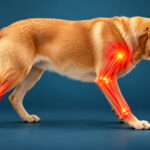
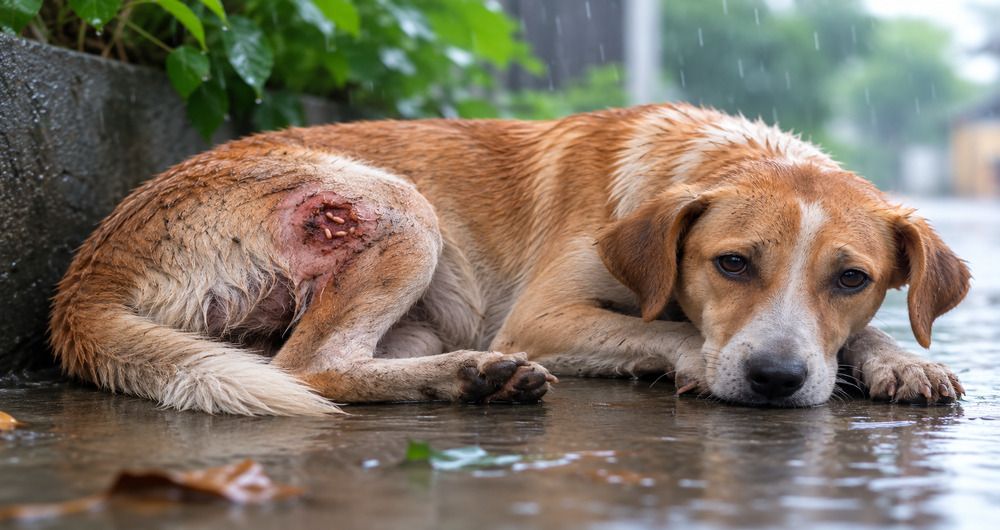
The monsoon season brings much-needed relief from the summer heat, but it also creates ideal conditions for flies and parasites to thrive. One of the most serious seasonal health concerns for dogs is maggot wounds, also known as fly strike. This painful condition develops when flies lay eggs on open wounds or moist areas of a dog’s body, and the hatched larvae feed on the surrounding tissue.
Maggot wounds can worsen quickly if left untreated, leading to severe infections, tissue damage, and even life-threatening complications. Knowing the early warning signs and taking preventive measures can protect your pet during the rainy season.
What Are Maggot Wounds?
Maggot wounds occur when certain species of flies lay eggs on an existing wound, skin infection, or damp fur. Within a short time, these eggs hatch into maggots (fly larvae), which burrow into the skin and feed on damaged or healthy tissue. Since monsoon weather is warm and humid, fly populations increase significantly, making dogs more vulnerable to infestation.
Dogs that spend time outdoors or have untreated skin injuries are at greater risk.
Common Causes of Maggot Wounds in Dogs
Several factors can increase the chances of maggot infestation during monsoon:
- Untreated cuts, scratches, or surgical wounds
- Skin infections or hot spots
- Tick and flea bites causing open sores
- Ear infections with discharge
- Wet or matted fur that remains damp for long periods
- Poor hygiene and dirty living conditions
- Elderly or disabled dogs unable to groom themselves
- Dogs recovering from surgery without proper wound care
Even a small unnoticed wound can attract flies within hours if proper hygiene is not maintained.
Signs of Maggot Wounds in Dogs
Early detection allows for timely treatment and significantly reduces the risk of serious complications. Watch for these symptoms:
- Constant licking or biting at one area
- Foul-smelling wound
- Visible maggots moving inside the wound
- Swelling and redness around the affected area
- Bleeding or pus discharge
- Hair loss around the wound
- Pain when touched
- Restlessness or unusual aggression due to discomfort
- Loss of appetite and lethargy
Sometimes the wound may appear small on the surface while maggots have already burrowed deeper underneath the skin.
Why Maggot Wounds Are Dangerous
Many pet owners underestimate maggot wounds because they initially appear minor. However, maggots continuously damage tissue as they feed, allowing bacteria to spread deeper into the skin.
If treatment is delayed, complications may include:
- Deep tissue destruction
- Severe bacterial infections
- Fever
- Delayed wound healing
- Blood infection (sepsis)
- Shock in advanced cases
Prompt veterinary care is essential to prevent permanent damage.
How Veterinarians Treat Maggot Wounds
Treatment depends on the severity of the infestation but generally includes:
Removal of Maggots
The veterinarian carefully removes all visible maggots using specialized instruments. In some cases, multiple treatment sessions are needed because hidden larvae may remain deep inside the wound.
Wound Cleaning
The affected area is thoroughly cleaned with antiseptic solutions to remove dead tissue, bacteria, and debris.
Medications
Based on your pet’s condition, your veterinarian may recommend the following treatments:
- Antibiotics to control infection
- Pain-relief medications
- Anti-inflammatory medicines
- Anti-parasitic drugs when required
Dressing and Follow-Up Care
The wound is dressed properly and may require regular cleaning and bandage changes until it heals completely. Pet owners should never attempt to dig out maggots at home without veterinary guidance, as incomplete removal can worsen the infection.
How to Prevent Maggot Wounds During Monsoon
Fortunately, most maggot wounds are preventable with proper care.
Keep Your Dog Clean and Dry
After walks in the rain, dry your dog’s coat thoroughly, especially around skin folds, ears, and paws. Damp fur creates an ideal environment for flies.
Check Your Dog Daily
Inspect your dog’s body regularly for cuts, scratches, skin infections, or swelling. Early treatment prevents flies from laying eggs.
Treat Wounds Immediately
Even minor wounds need proper cleaning and regular monitoring. If they fail to heal as expected, consult your veterinarian promptly.
Control Fleas and Ticks
Parasites often create itchy sores that attract flies. Regular preventive treatments reduce this risk.
Maintain a Clean Living Environment
Keep bedding, kennels, and surrounding areas clean and dry. Dispose of waste promptly to discourage flies.
Groom Your Dog Regularly
Brushing helps identify hidden wounds and prevents fur from becoming matted, particularly in long-haired breeds.
When Should You Visit the Vet?
Seek veterinary attention immediately if you notice:
- Visible maggots
- A foul-smelling wound
- Persistent bleeding or pus
- Swelling that rapidly worsens
- Your dog refusing food
- Excessive pain or continuous licking of one area
Early treatment not only speeds recovery but also reduces the risk of severe complications.
Final Thoughts
Although maggot wounds in dogs can be painful during the monsoon, they are largely preventable with proper hygiene, regular grooming, and timely veterinary care. Maintaining good hygiene, treating wounds promptly, and checking your dog regularly can significantly reduce the risk of fly strike. If you notice any suspicious wound or signs of maggot infestation, don’t delay seeking professional veterinary care.
At Seven Oaks Pet Hospital, our experienced veterinary team provides prompt diagnosis, safe maggot removal, advanced wound management, and complete post-treatment care to help your dog recover comfortably. During the monsoon season, regular health checks and timely treatment can make all the difference in keeping your furry companion healthy and protected.
Disclaimer:
This article is intended for educational purposes only and should not replace professional veterinary advice. If your pet is showing signs of illness or discomfort, please consult Seven Oaks or the nearest qualified veterinarian for an accurate diagnosis and appropriate treatment.
FAQ’S
Early signs include excessive licking or scratching, a foul-smelling wound, swelling, redness, pain, and visible maggots. Prompt veterinary attention can prevent the condition from worsening.
Dogs develop maggot wounds when flies lay eggs on open wounds, skin infections, or dirty, moist areas of the body. The risk is significantly higher during the monsoon due to increased fly activity.
No. Maggot wounds require immediate veterinary treatment. Home remedies may delay proper care and increase the risk of infection and tissue damage.
Keep your dog clean and dry, inspect the skin regularly, treat cuts promptly, maintain good hygiene, and reduce exposure to flies by keeping your surroundings clean.
Take your dog to a veterinarian immediately if you notice maggots, a foul-smelling wound, swelling, discharge, or severe pain or if your dog becomes lethargic or stops eating.