Hearing the word “cancer” in connection with your pet can be frightening. But a suspected lump, unusual test result, or even a confirmed cancer diagnosis does not automatically tell you what happens next.
That is where a veterinary oncologist can help.
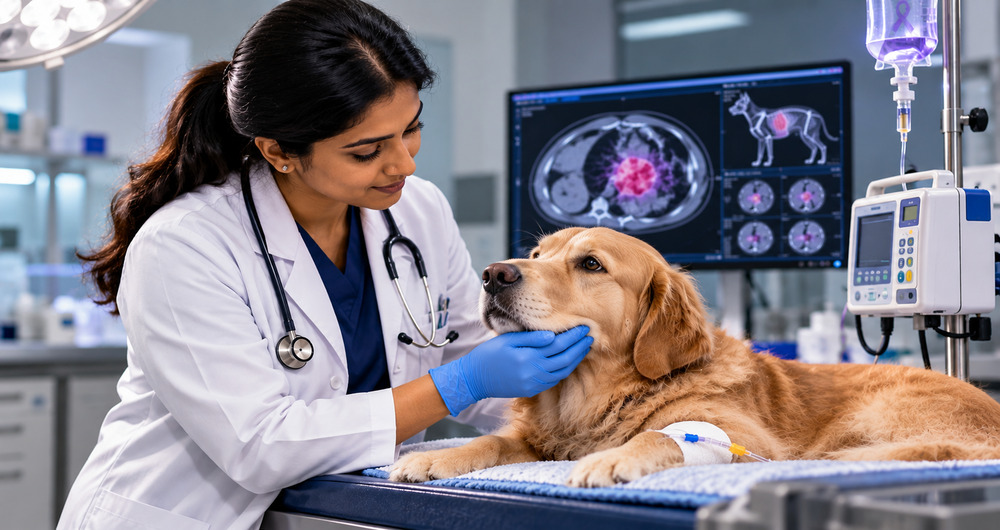
A veterinary oncologist specializes in diagnosing and managing cancer in animals. Working alongside your regular veterinarian and, when needed, surgeons or other specialists, they can help determine the type and extent of cancer and discuss suitable treatment or supportive-care options.
So, when is it time for your dog or cat to see a pet cancer specialist?
1. When a Lump or Mass Has Been Found
Not every lump is cancerous. However, any new lump, persistent swelling, or mass that is changing or growing deserves veterinary evaluation.
Your veterinarian may recommend tests such as a fine-needle aspirate or biopsy to determine what the growth is. If cancer is confirmed or strongly suspected, a veterinary oncologist can help determine the appropriate next steps.
Identifying the tumor type and when relevant, its grade and stage is important when creating an appropriate treatment plan.
2. When Your Pet Has Unexplained Changes
Cancer does not always announce itself with an obvious lump. Some pet cancer symptoms can initially resemble many other health conditions.
Possible signs of cancer in dogs include:
- Unexplained weight loss or loss of appetite
- New or rapidly growing lumps
- Sores that do not heal
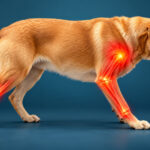
- Persistent limping or stiffness
- Abnormal bleeding or discharge
- Difficulty eating, breathing, urinating, or passing stools
- Unusual tiredness or reduced stamina
These symptoms do not necessarily mean your dog has cancer, but they should not be ignored.
The signs of cancer in cats can be even more subtle. Cats may hide more than usual, become less playful, eat less, lose weight, develop lumps, experience changes in litter-box habits, or show breathing difficulties.
Any persistent or unexplained change is worth discussing with your veterinarian.
3. After Cancer Has Been Diagnosed
Once cancer has been confirmed, seeing a pet cancer specialist can help you better understand what the diagnosis means for your individual pet.
Depending on the cancer, additional “staging” tests may be recommended to assess whether and how far the disease has spread. These can include blood tests, X-rays, ultrasound, CT imaging, lymph-node sampling, or other diagnostic procedures depending on the case.
This information helps the veterinary team create a more individualized treatment plan.
4. When Specialised Cancer Treatment Is Needed
Pet cancer treatment is not one-size-fits-all.
Depending on the tumour type, location, stage, your pet’s overall health, and treatment goals, options may include surgery, chemotherapy, radiation therapy, immunotherapy, supportive care, or a combination of approaches.
A veterinary oncologist can explain the possible benefits, limitations, and expected side effects of each option so you can make an informed decision for your pet.
Importantly, veterinary cancer treatment often places a strong emphasis on maintaining quality of life throughout care. Current oncology guidelines note that veterinary chemotherapy is generally planned with this goal in mind.
5. When Cancer Has Returned or Treatment Needs Reassessment
If your pet has previously received cancer treatment and the disease returns, progresses, or stops responding as expected, an oncology consultation may help explore other treatment or supportive-care options.
An oncologist can also help with supportive care, focusing on pain relief, appetite, comfort, mobility, and overall quality of life when controlling or curing the cancer is no longer possible.
Expert Veterinary Oncology Care at Seven Oaks Pet Hospital
If your pet has suspicious symptoms or has already been diagnosed with cancer, Seven Oaks Pet Hospital offers specialised veterinary oncology care in Hyderabad, including at its Jubilee Hills branch.
Seven Oaks provides cancer diagnostics including blood tests, imaging, biopsies and advanced CT imaging, along with treatments and supportive services such as chemotherapy, suitable cancer surgeries, pain management, nutritional support, palliative care and cancer-specific hospitalisation.
The goal is to provide every pet with a personalized approach that considers not only the disease, but also their comfort and quality of life.
If you notice unusual pet cancer symptoms, don’t wait for them to become severe. An early veterinary evaluation can help identify the cause and clarify the most appropriate next step.
Disclaimer:
This article is intended for educational purposes only and should not replace professional veterinary advice. If your pet is showing signs of illness or discomfort, please consult Seven Oaks or the nearest qualified veterinarian for an accurate diagnosis and appropriate treatment.
FAQ’s
A veterinary oncologist specializes in cancer care for animals. They help with diagnosis, staging, treatment planning, cancer therapies and ongoing management.
Possible signs include growing lumps, unexplained weight loss, reduced appetite, non-healing sores, abnormal bleeding, persistent lameness and difficulty breathing, and eating, urinating or passing stools.
Cats may show weight or appetite loss, unusual hiding or reduced activity, lumps, non-healing sores, abnormal bleeding, breathing problems or changes in urination and defecation.
Many cancers can be treated or managed. The appropriate approach depends on the cancer type, stage, location and your pet’s overall health. Treatment may involve surgery, chemotherapy, radiation therapy or supportive and palliative care.