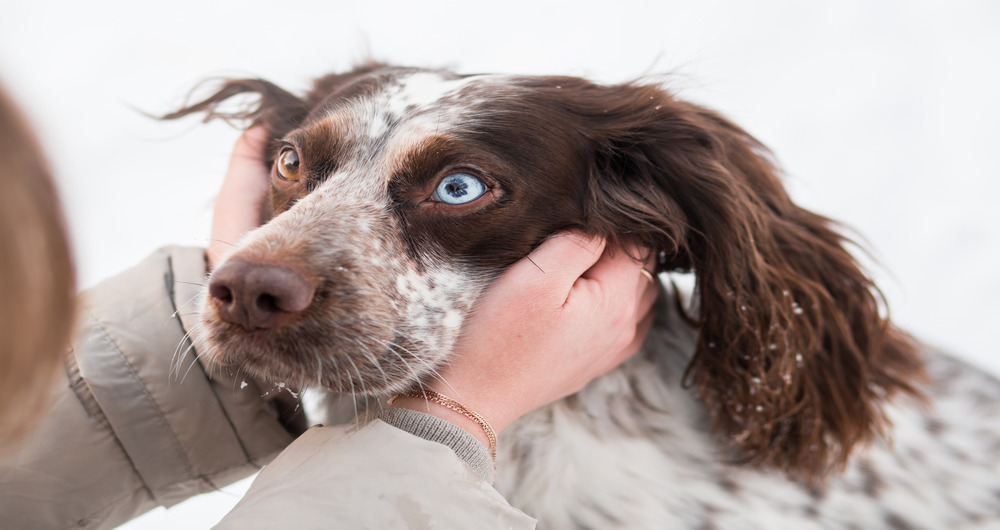
Red eyes, unusual discharge, or frequent squinting can be signs that your dog’s eyes need attention. While some eye problems are mild, others can worsen quickly and affect vision. Understanding the causes, symptoms, and treatment of an eye infection in dogs can help you recognize when veterinary care is needed.
What Is an Eye Infection in Dogs?
An eye infection occurs when microorganisms, such as bacteria or viruses, affect the eye or surrounding tissues. However, not every red or watery eye is an infection. Allergies, dry eye, foreign bodies, and corneal injuries can cause similar symptoms. A veterinary examination is important to identify the actual cause.
Common Causes of Eye Infection in Dogs
Several factors can contribute to eye infections, including:
- Bacterial or viral infections: These can cause inflammation and discharge around the eye.
- Allergies and irritants: Dust, pollen, and smoke may cause redness, itching, and excessive tearing.
- Foreign bodies: Grass seeds, dust, or other particles can become trapped in the eye.
- Eye injuries: Scratches or corneal injuries can cause pain and increase the risk of infection.
- Underlying conditions: Dry eye, eyelid abnormalities, or blocked tear ducts may contribute to recurring eye problems.
Symptoms of Eye Infection in Dogs
Common dog eye infection symptoms include:
- Redness or swelling around the eye
- Yellow, green, or unusual discharge
- Excessive tearing
- Squinting or frequent blinking
- Rubbing the face or pawing at the eye
- Sensitivity to light
- Cloudiness or changes in the appearance of the eye
A cloudy eye, sudden vision changes, or signs of pain should not be ignored, as these may indicate a more serious condition.
How Is an Eye Infection in Dogs Diagnosed?
A veterinarian will examine your dog’s eyes and may recommend tests such as fluorescein staining to check for corneal scratches or ulcers, or tear production testing when dry eye is suspected. These tests help identify the cause and guide appropriate treatment.
Treatment for Eye Infection in Dogs
Dog eye infection treatment depends on the underlying cause. Your veterinarian may prescribe suitable eye drops or ointments, treat an underlying condition, or recommend gentle cleaning of the eye area.
Never use leftover eye drops or human eye medications without veterinary advice. Some products may be unsuitable for dogs or worsen certain eye conditions.
When Should You See a Vet?
Contact your veterinarian if your dog has persistent redness or discharge, squinting, a cloudy eye, or symptoms that are worsening. Early veterinary attention can help protect your dog’s eye health and vision.
Concerned About Your Dog’s Eye Health?
At Seven Oaks Pet Hospital, our veterinary team can assess your dog’s eye symptoms and recommend appropriate treatment.
Book a veterinary consultation if your dog is experiencing redness, discharge, squinting, or other eye problems.
Disclaimer:
This article is intended for educational purposes only and should not replace professional veterinary advice. If your pet is showing signs of illness or discomfort, please consult Seven Oaks or the nearest qualified veterinarian for an accurate diagnosis and appropriate treatment.