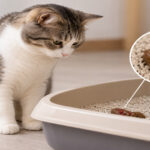

Your cat may seem playful, eat normally, and go about its daily routine, but an unexpected change in the litter box can raise concerns. Discovering blood in your cat’s poop is one such sign that deserves attention. Sometimes, it develops because of temporary digestive irritation. In other cases, it may point to a health issue that needs professional treatment. Knowing what to look for can help you decide the next step.
How to Identify Blood in Your Cat’s Stool
Blood does not always look the same when it appears in a cat’s poop. Its colour and texture can offer useful clues.
- Fresh red streaks: Small spots or streaks of red blood on the outside of the stool may indicate irritation near the rectum, anus, or lower intestine.
- Dark or tar-like poop: Stool that looks black, sticky, or unusually dark may contain digested blood from an earlier part of the digestive tract. This can indicate internal bleeding and requires urgent veterinary attention.
Never rely on appearance alone to determine the cause. Even a small amount of visible blood can warrant a veterinary assessment.
Why Is There Blood in Your Cat’s Poop?
Several factors can affect your cat’s digestive system. Here are some common possibilities.
1. Sudden Changes in Food
Cats can have sensitive digestive systems. Switching brands too quickly, introducing new ingredients, or eating spoiled food may upset the stomach and intestines. Loose stools and occasional streaks of blood can sometimes follow digestive irritation.
2. Worms and Other Parasites
Intestinal parasites can damage or irritate the digestive tract. They may cause bloody diarrhoea, weight loss, reduced appetite, or changes in stool consistency. Kittens and cats with outdoor access may face greater exposure, making appropriate parasite prevention important.
3. Difficulty Passing Stool
Constipation can cause cats to strain repeatedly in the litter box. Passing hard stools may irritate delicate tissues and produce a small amount of fresh blood. Persistent straining needs attention, particularly because urinary problems can sometimes look similar and may be emergencies.
4. Intestinal Inflammation or Infection
Inflammation of the colon, commonly called colitis, can lead to frequent bowel movements, mucus, diarrhoea, and blood in the stool. Certain infections and food sensitivities may produce similar signs. If the problem keeps returning, a veterinarian may recommend further testing.
5. Stress and Environmental Changes
Cats can react to changes such as moving house, unfamiliar animals, or disruptions to their normal routine. Stress may contribute to digestive upset, but it should not be assumed to be the cause of bloody stool until other medical explanations have been considered.
6. Injuries or Underlying Diseases
Swallowed foreign objects, intestinal growths, clotting problems, and other serious conditions can also cause gastrointestinal bleeding. These possibilities become particularly concerning when bleeding occurs alongside pain, vomiting, or sudden behavioural changes.
Other Symptoms Cat Owners Should Notice
Blood in the stool is not always the only warning sign. Watch for changes such as:
- Frequent diarrhoea or unusually hard stools
- Vomiting or refusing food
- Low energy, unusual hiding, or weakness
- Reduced water intake or signs of dehydration
- Weight loss or a swollen, painful abdomen
- Repeated straining or crying in the litter box
Recording these changes and taking a photograph of the stool can provide helpful information during a veterinary consultation.
When Does Your Cat Need Veterinary Care?
If you notice blood in your cat’s poop, contact a veterinarian for advice, particularly when it happens repeatedly or occurs with other symptoms.
Seek emergency care if your cat passes black, tarry stool, has substantial bleeding, repeatedly vomits, develops pale gums, experiences severe abdominal pain, or becomes extremely weak or collapses. Kittens and older cats may also need quicker assessment because their health can deteriorate rapidly.
Avoid giving human medicines, painkillers, or antibiotics without veterinary guidance. Some medications that are safe for people can be dangerous to cats.
Simple Ways to Support Your Cat’s Digestive Health
Although every cause cannot be prevented, everyday care can reduce some digestive risks.
- Introduce dietary changes gradually.
- Offer fresh water and nutritionally complete cat food.
- Follow your veterinarian’s recommendations for parasite prevention and routine check-ups.
- Keep string, small objects, and harmful substances away from curious cats.
- Clean the litter box regularly and observe changes in your cat’s toilet habits.
Conclusion
Noticing blood in your cat’s poop can be unsettling, but understanding the possible causes can help you respond appropriately. From dietary disturbances and parasites to intestinal inflammation, several conditions may be responsible. Pay attention to changes in your cat’s stool, appetite, and behaviour, and consult a veterinarian rather than attempting treatment on your own. For more information on responsible pet care and animal well-being, visit Seven Oaks Pet. Staying informed and recognising warning signs early can help you make better decisions for your feline companion.
Disclaimer:
This article is intended for educational purposes only and should not replace professional veterinary advice. If your pet is showing signs of illness or discomfort, please consult Seven Oaks or the nearest qualified veterinarian for an accurate diagnosis and appropriate treatment.
FAQ’s
Not always, but it should never be ignored. A small streak of fresh blood may result from constipation or intestinal irritation, while persistent bleeding or black, tarry stool may indicate a more serious condition. Contact your veterinarian for guidance.
Cats can appear healthy even when experiencing digestive problems. Food intolerance, parasites, or mild intestinal inflammation may cause blood in the stool without obvious behavioral changes. If you notice blood, arrange a veterinary assessment.
Contact a veterinarian promptly. Kittens are more vulnerable to dehydration, and parasites or infections may cause bloody stools. Seek urgent care if your kitten also has diarrhea, vomiting, weakness, or refuses food.
Yes, a sudden dietary change can upset a cat’s digestive system and sometimes contribute to diarrhea or intestinal irritation. However, blood may have other causes, so consult a veterinarian instead of assuming the food change is responsible.