
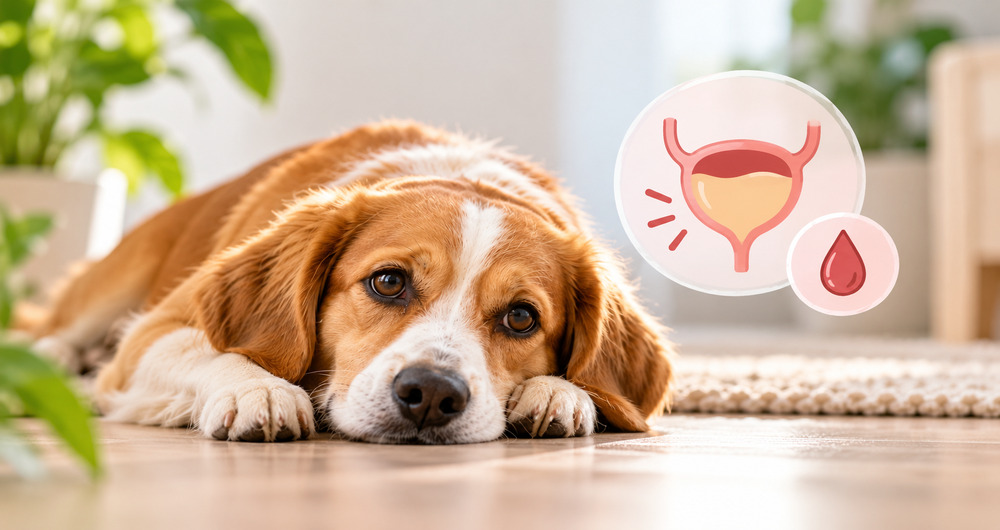
Your dog may not be able to tell you when something feels wrong, but changes in their bathroom habits can offer important clues. If your dog keeps asking to go outside, takes longer to pee, or starts having accidents indoors, a urinary tract infection (UTI) could be one possible reason.
A UTI develops when microorganisms, usually bacteria, cause an infection in the urinary tract. The bladder is commonly affected, and the resulting irritation can make urination uncomfortable. Recognizing the symptoms of a UTI in dogs can help you arrange veterinary care before the problem becomes more serious.
7 Common Symptoms of a UTI in Dogs
1. Frequent Urination
One of the earliest signs of a dog UTI is a noticeable change in urination frequency. Your dog may ask to go outside several times within a short period but pass only a small amount each time.
This happens because an irritated bladder can create the feeling of needing to urinate even when it is not full. If this behavior is unusual for your pet, it is worth discussing with your veterinarian.
2. Straining or Pain While Urinating
Watch how your dog behaves when urinating. They may squat repeatedly, strain, pause frequently, or appear uncomfortable while trying to pass urine. Some dogs may whine or seem unsettled during bathroom breaks.
These symptoms are not exclusive to UTIs. Bladder stones and urinary blockages can cause similar problems and may require urgent treatment.
Seek emergency veterinary care if your dog repeatedly tries to urinate but produces little or no urine.
3. Pink or Red-Colored Urine
Blood in the urine, known as hematuria, can occur when the urinary tract becomes inflamed. You might notice pinkish urine, red streaks, or a darker-than-usual color.
Even a small amount of blood should not be ignored. Although a UTI is one possible cause, stones, injuries, and other urinary conditions can also lead to bleeding. A veterinary examination is needed to identify the underlying problem.
4. Unexpected Urine Accidents at Home
Has your house-trained dog suddenly started peeing on the floor? Bladder irritation may make it difficult for your pet to wait until the next scheduled walk.
Your dog might also leave small puddles in unusual places or seem unable to control their urination. Instead of assuming the behavior is related to training, consider whether a medical issue could be contributing.
5. Unusual Urine Odour or Appearance
Urine that looks cloudy or smells stronger than usual may indicate a urinary problem. These changes can sometimes accompany a bacterial infection, but they do not confirm a UTI by themselves.
Pay attention to other symptoms, such as frequent urination or discomfort. Your veterinarian may recommend testing a urine sample to determine whether an infection is present.
6. Frequent Licking Around the Genitals
Some dogs repeatedly lick their genital area when they experience discomfort or irritation. If this behavior becomes more frequent than normal, check for other changes in urination.
Persistent licking can also result from skin irritation or other genital conditions, so it is important not to assume that a UTI is the cause without a proper assessment.
7. Changes in Thirst, Energy, or Appetite
A dog with urinary problems may drink more water, seem less active, or show less interest in food. These signs are not specific to a UTI, but they deserve attention when they occur alongside urinary changes.
Fever, vomiting, marked weakness, or a painful abdomen may indicate a more serious condition, including a possible kidney infection. Contact a veterinarian promptly if these symptoms develop.
What Causes UTIs in Dogs?
Most bacterial UTIs occur when bacteria enter the urinary tract through the urethra and multiply in the bladder. Female dogs are generally more susceptible, although dogs of either sex can develop an infection.
Other conditions, including bladder stones, diabetes, kidney disease, urinary incontinence, and abnormalities in the urinary tract, may increase the risk. If your dog experiences repeated infections, your veterinarian may recommend additional tests to investigate the cause.
How Is a UTI in Dogs Diagnosed?
A veterinarian will consider your dog’s symptoms and medical history before recommending suitable tests. Urinalysis can help identify changes such as blood, inflammatory cells, and other abnormalities. A urine culture may be recommended to determine whether bacteria are present and which antibiotics are likely to work.
Treatment depends on the diagnosis. If a bacterial infection is confirmed or strongly suspected, the veterinarian may prescribe antibiotics. Additional treatment may be needed if bladder stones or another underlying condition is involved.
Avoid giving your dog leftover antibiotics or human medication without veterinary advice.
When Should You Take Your Dog to a Vet?
Arrange a veterinary appointment if your dog develops frequent urination, painful urination, blood in the urine, or sudden bathroom accidents. If your dog repeatedly strains to urinate but produces little or no urine, seek emergency veterinary care immediately. Do not wait until the next day, as a urinary blockage can be life-threatening, particularly in male dogs. Vomiting, severe weakness, or a painful abdomen also requires urgent veterinary attention.
For urinary symptoms that need assessment, contact Seven Oaks Pet Hospital for veterinary guidance. Early diagnosis and appropriate treatment can help prevent complications and protect your dog’s health.
Disclaimer:
This article is intended for educational purposes only and should not replace professional veterinary advice. If your pet is showing signs of illness or discomfort, please consult Seven Oaks or the nearest qualified veterinarian for an accurate diagnosis and appropriate treatment.
FAQ’s
A bacterial UTI may persist or worsen without appropriate treatment. Consult a veterinarian rather than waiting for the symptoms to disappear.
Yes. Female dogs are generally more prone to bacterial urinary tract infections, although male dogs can also be affected.
Provide access to fresh water, allow regular bathroom breaks, and seek veterinary advice if urinary symptoms recur. These habits support urinary health but cannot prevent every infection.